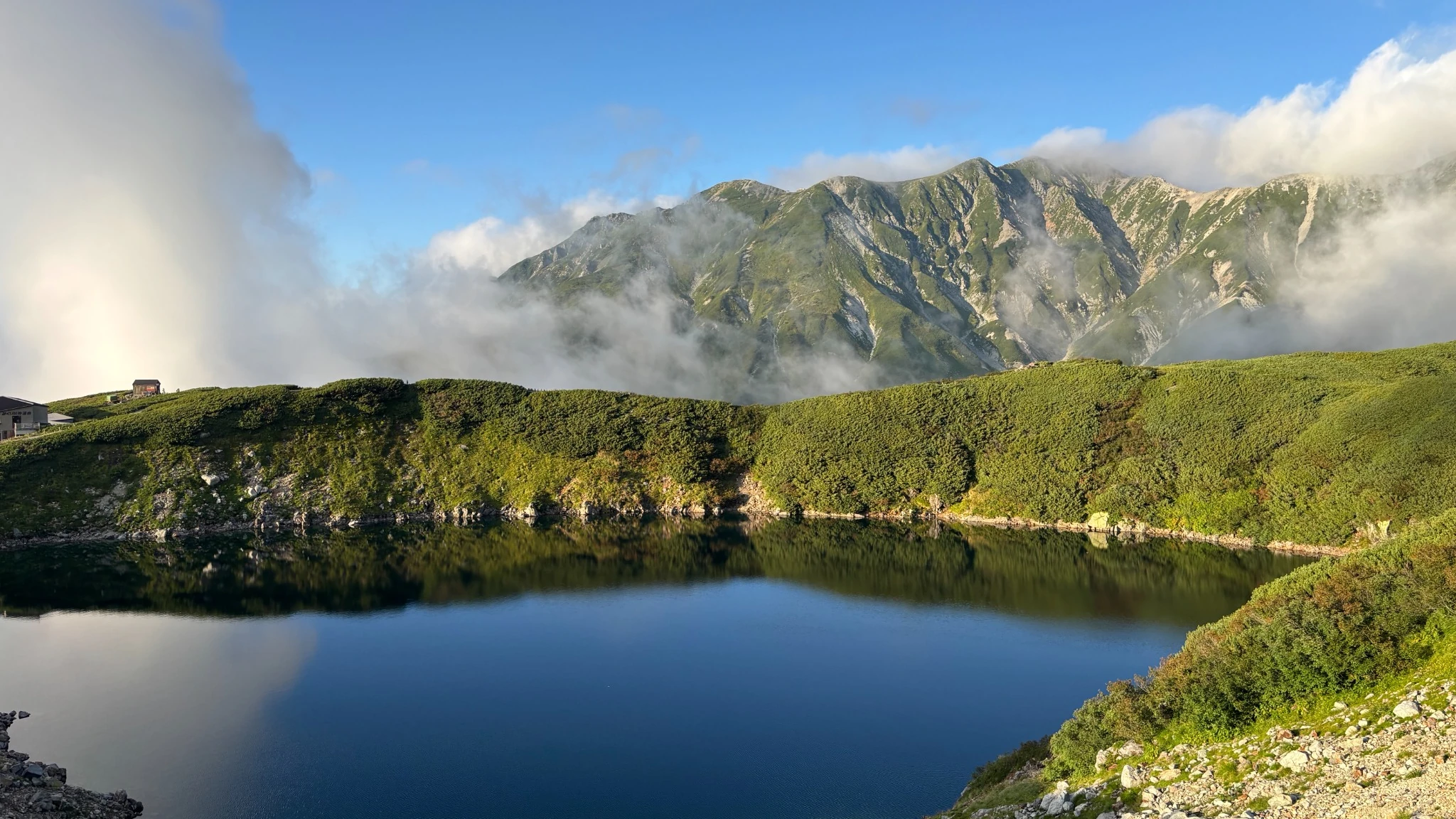
I was not supposed to spend my first night in Tateyama at all. September 5 had originally been set aside for Toyama, but a good weather window appeared — and, by chance, two places opened up in a shared room at Raichoso. Four days before the trip, I changed the plan, rebooked the Alpine Route, and went up to Murodo a day earlier. It turned out to be the decision that made the trip.
A last-minute change that made the trip
Raichoso can fill up well in advance, so I had not expected to stay there on the first night. But mountain plans are unusually sensitive to weather, and cancellations do appear close to the date. At the time of my stay, there was no cancellation fee until three days before arrival, which may have been why a shared-room opening appeared at the last minute. Policies can change, so I would always check the lodge's current rules rather than rely on that timing.
Once the room appeared, I booked it immediately and rearranged the transport. Our through ticket from Dentetsu-Toyama to Ogizawa cost ¥24,720 for two people. It was a slightly frantic change of plan, but getting up to Murodo while the weather was good gave me an extra afternoon and evening to look for raicho — and I found them that same day.
A three-day journey built around the raicho
The route below is simplified for travellers starting from Tokyo. I actually travelled from Koriyama, but Tokyo is the more useful reference point for most international visitors planning the same journey.
Tokyo → Toyama → Murodo
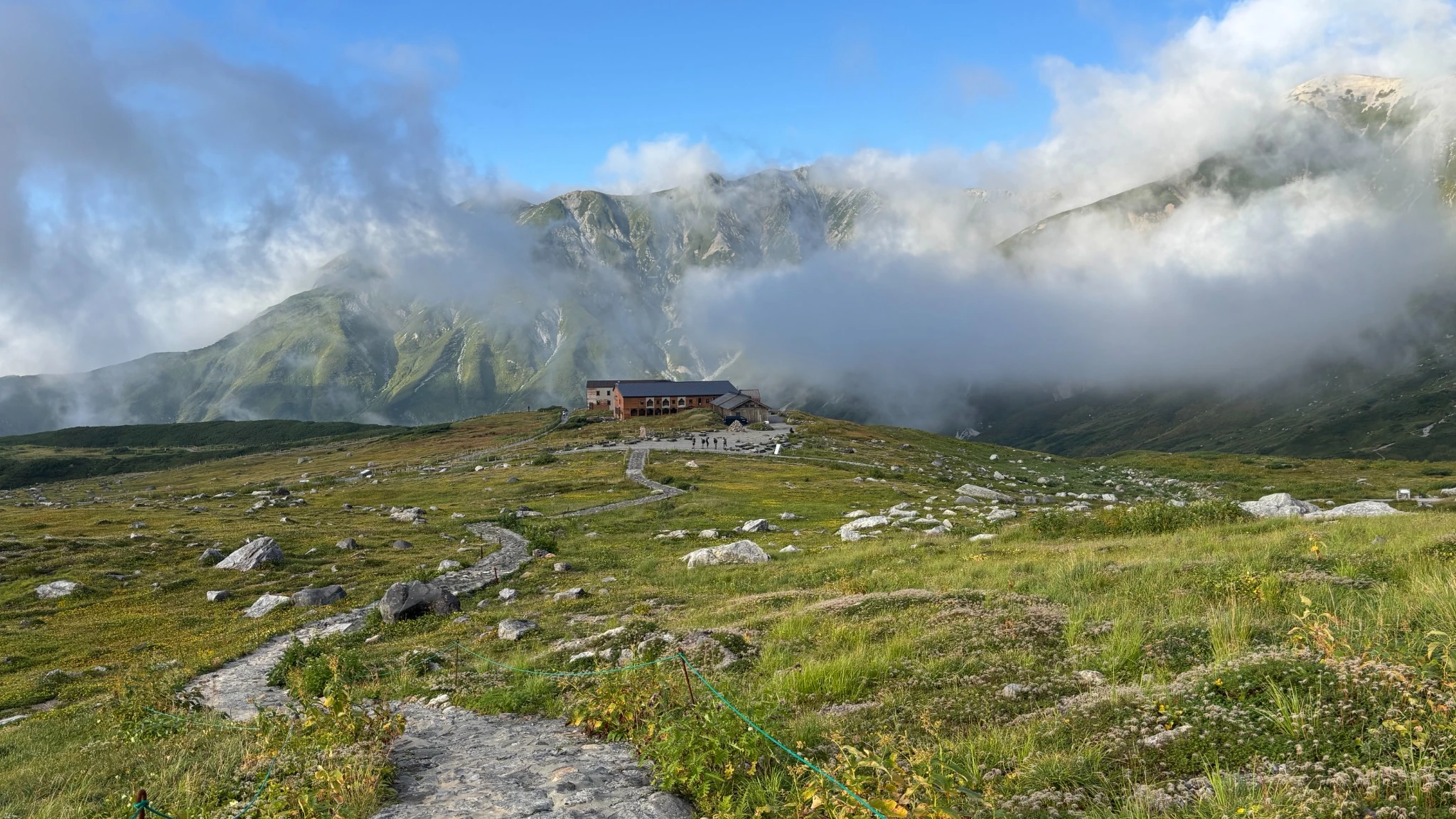
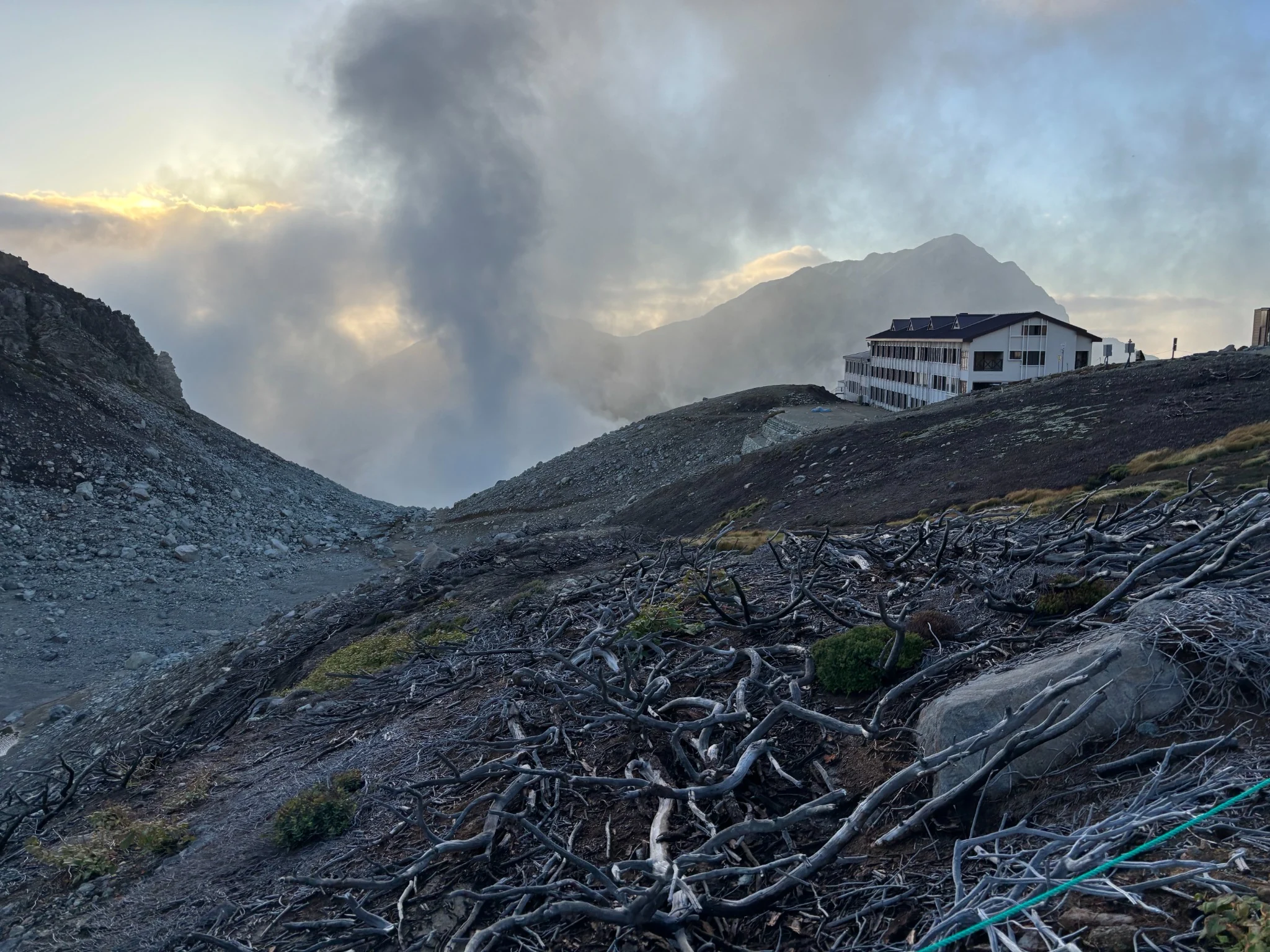
I travelled via Toyama and Tateyama Station, entered the Alpine Route from the Toyama side, and reached Murodo at around 2:10 p.m. From there, I walked toward Raichoso while already scanning the slopes for ptarmigans.
Later in the afternoon, while hiking toward Murodoyama, I spotted my first birds in the distance: a female with four chicks. After dinner and an onsen, the clouds cleared and the night sky opened above Tateyama.
A mountain plan changed by the wind
After breakfast, I set out hoping to climb Tateyama, but strong winds around Ichinokoshi made me turn back. I spent the rest of the day around Murodo looking for raicho instead.
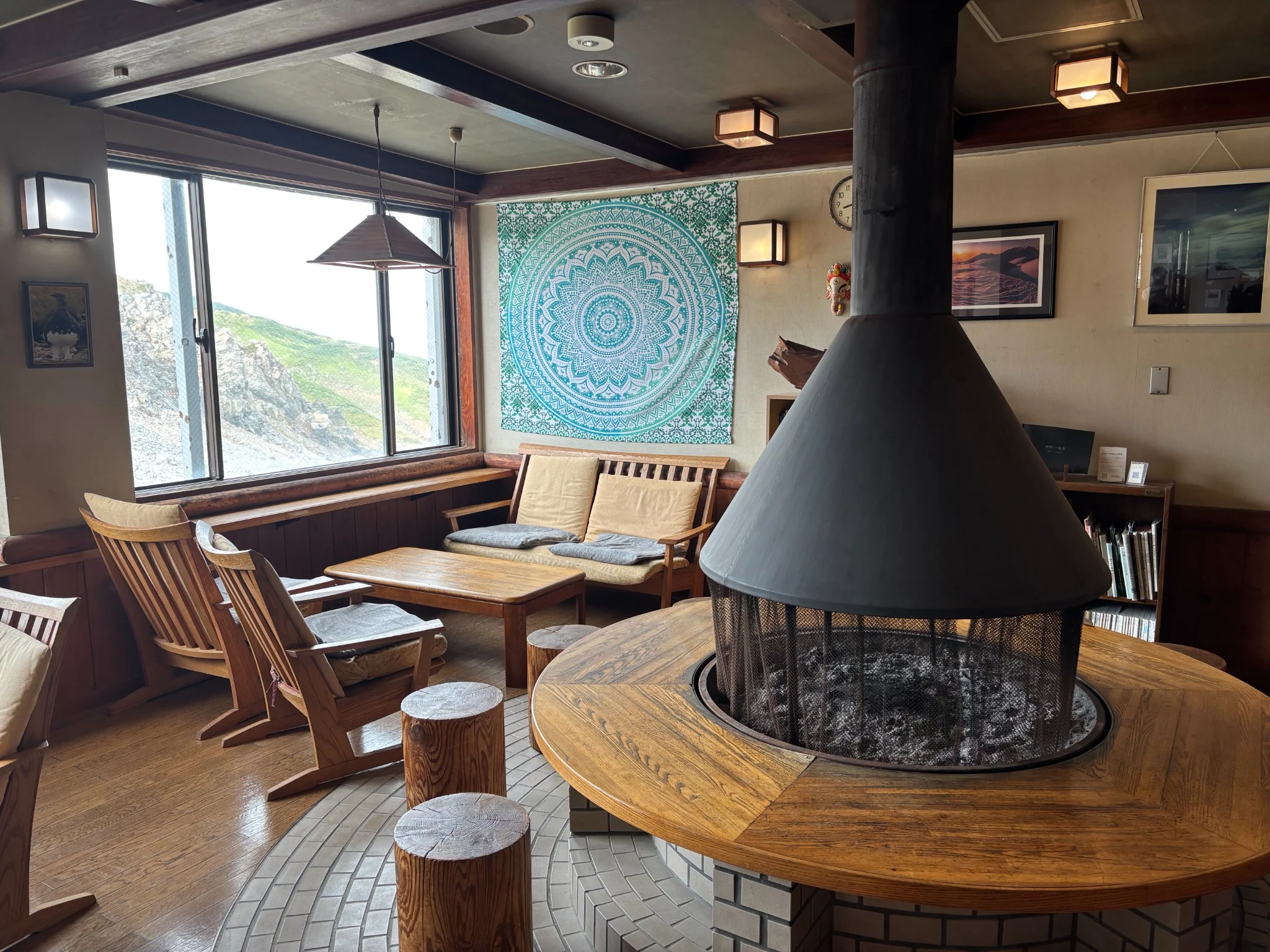
I did not see any that day. I returned to Raichoso around 1 p.m., ate the lodge's packed lunch in the lounge, checked into a private room, and eventually traded another windy search for a long, quiet soak in the onsen.
One last search, then across to Nagano
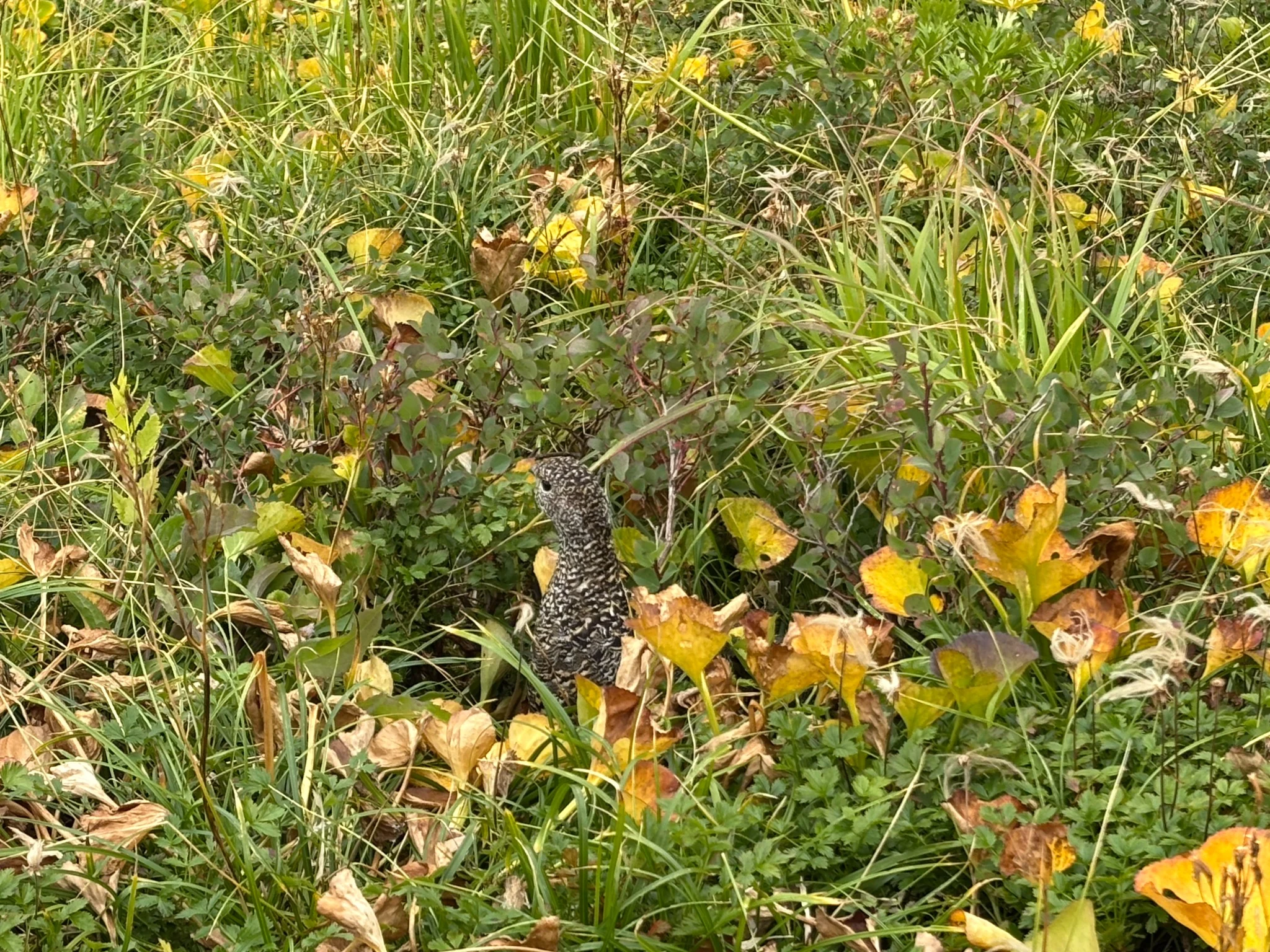
The forecast had looked poor because of the autumn rain front, but the morning was unexpectedly clear. After checking out at around 8:30 a.m., I made one last search near Mikurigaike. In the grass I found a female ptarmigan — and then a chick nearby.
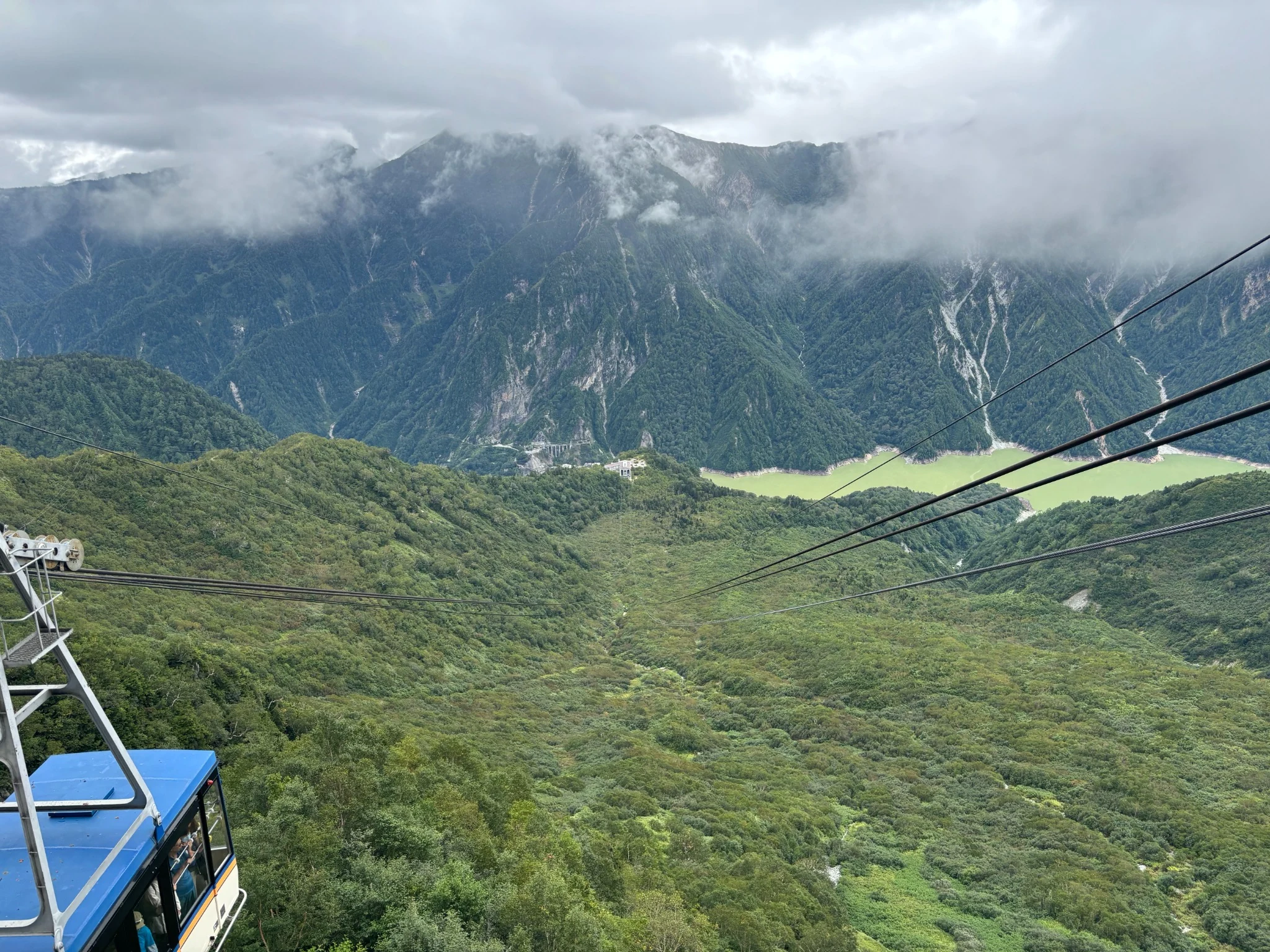
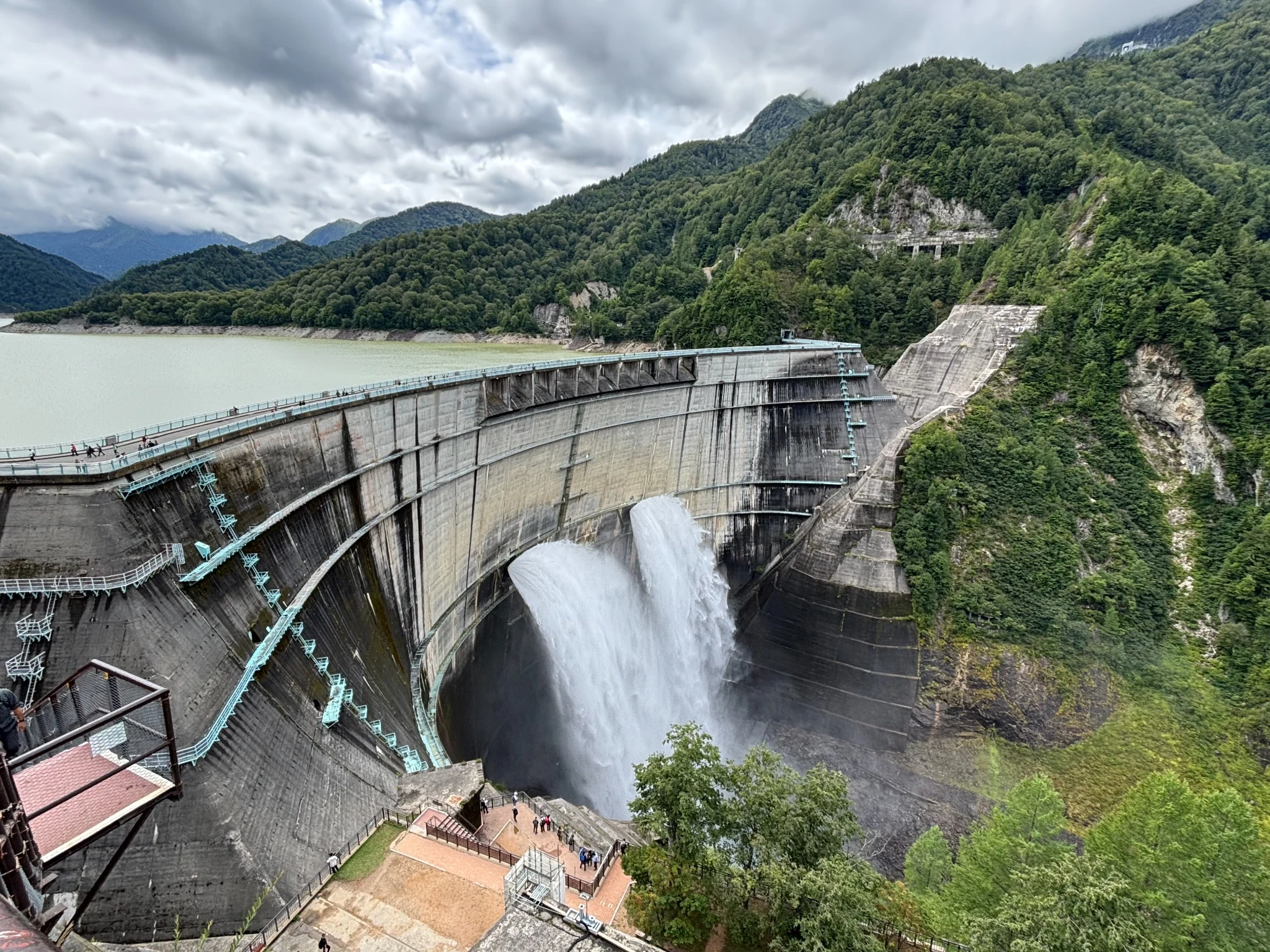
I left Murodo at around 11 a.m. and crossed the Alpine Route toward Nagano. We happened to travel through a cloudy but mostly dry window, so I could still enjoy Daikanbo and Kurobe Dam before descending to Ogizawa. From there, the bus to Nagano took about two hours. I left my luggage at the station, made a short visit to Zenkoji, and then headed home.
The Alpine Route is part of the journey
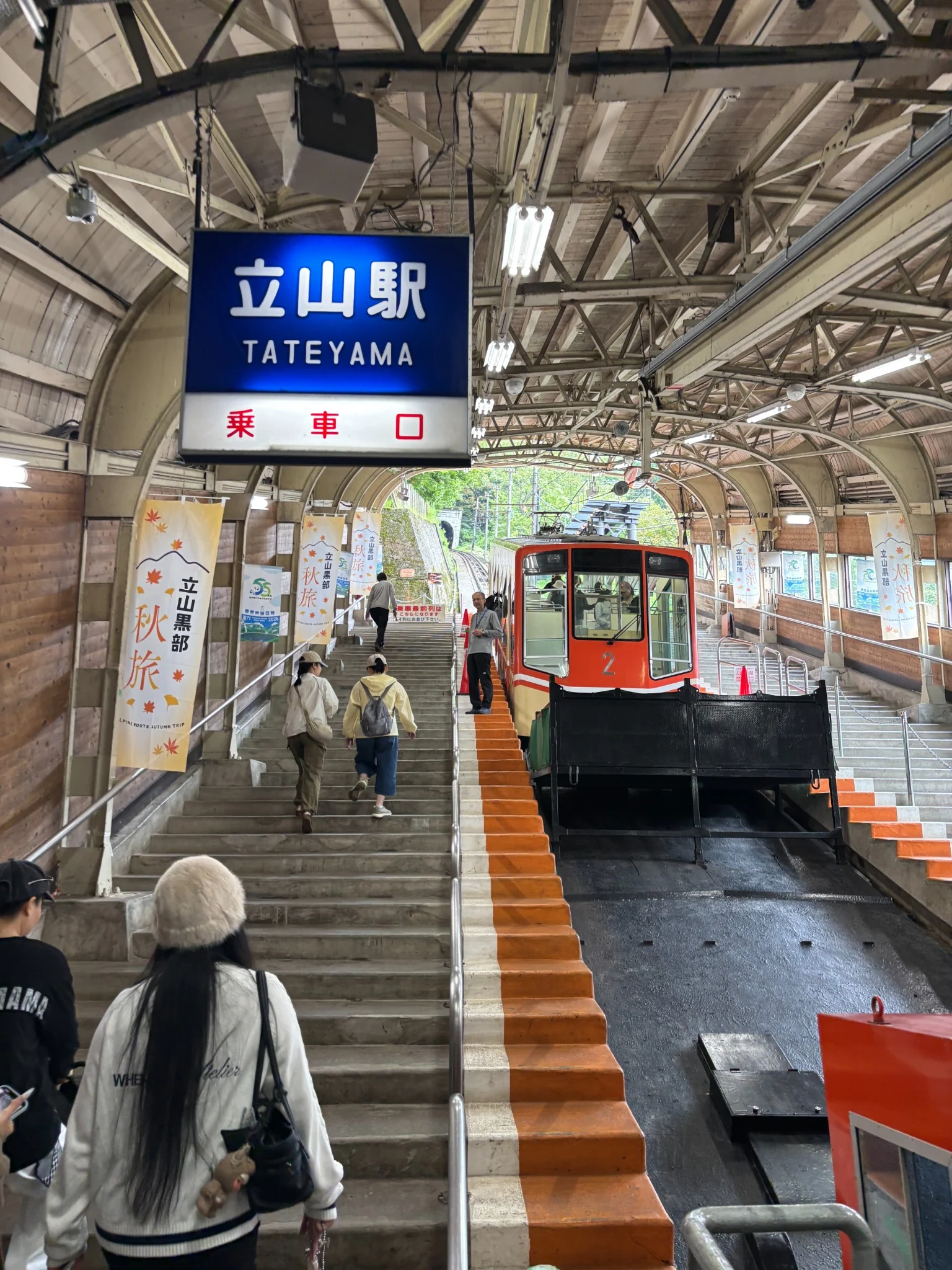
Tateyama is not a place you simply drive to. Reaching Murodo means moving through a sequence of trains, cable cars and buses as the landscape gradually changes. On a map the Tateyama Kurobe Alpine Route can look complicated, but in practice the transfers become part of the rhythm of the trip.
Why I stayed at Raichoso for two nights
The extra night was deliberate. Wildlife does not work to an itinerary, mountain weather changes quickly, and some of the best hours in Tateyama are the quiet ones before day visitors arrive or after they leave. Raichoso gave me a base from which I could go out, return, wait for conditions to change, and try again.
Shared room or private room?
I tried both. For two people, the shared-room plan was ¥25,700, while the private room was ¥33,700 — a difference of ¥4,000 per person.
The private room felt like a substantial upgrade, especially on a two-night trip. It was much more comfortable, and a face towel and yukata were provided. I did not actually wear the yukata, but for visitors hoping for a more traditional Japanese mountain-lodge experience, it is a small detail that makes the stay feel more special.
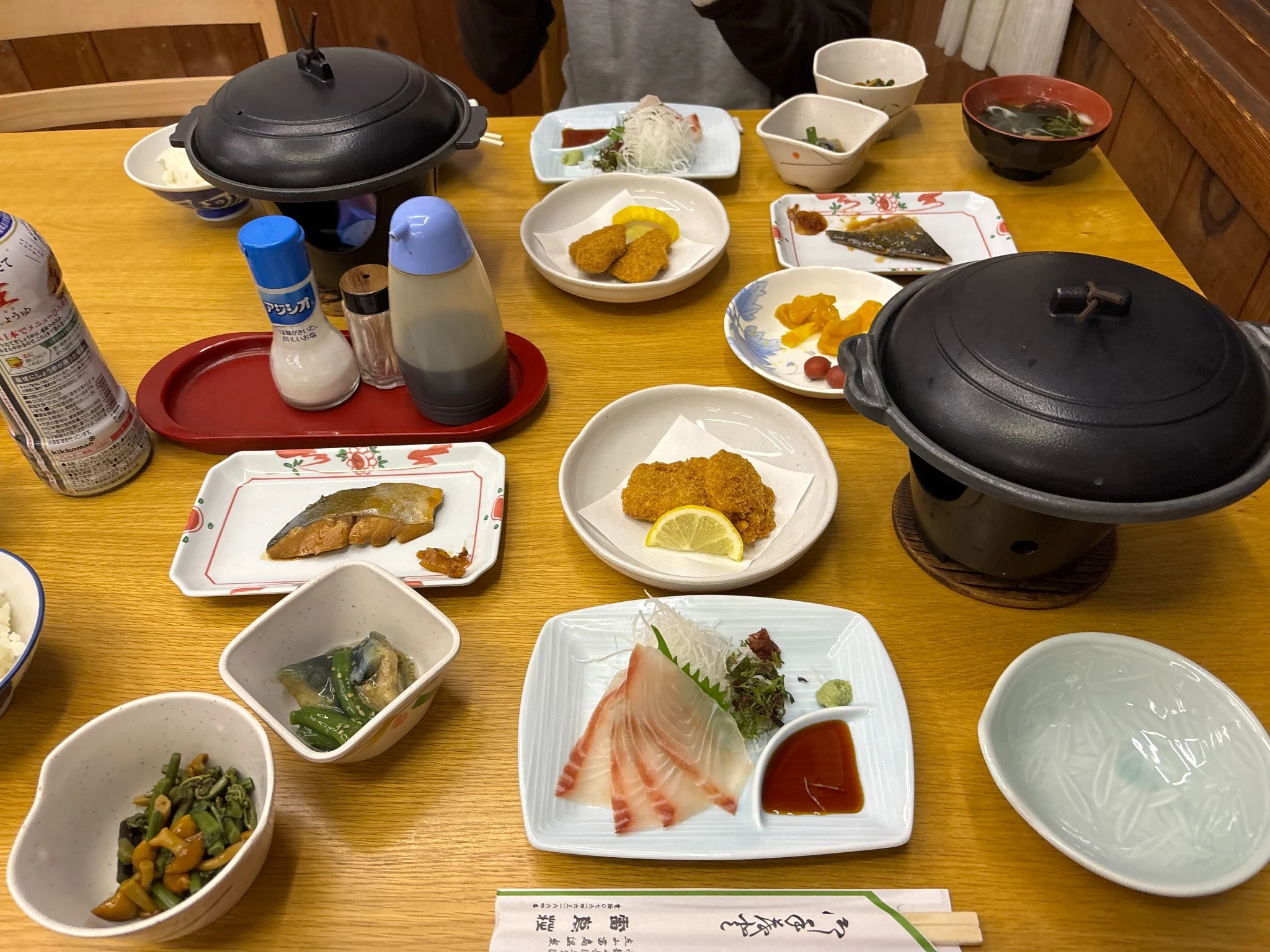
Both plans included dinner and breakfast, which I found genuinely good. The rates were also the same on the weekend during my stay, so the overall value felt very reasonable for accommodation high in the mountains with meals and an onsen included.
Prices shown are what we paid in September 2026 and may change.
First sighting: a mother and four chicks
On the first afternoon, I headed toward Murodoyama. While walking uphill, I noticed movement in the distance: a female raicho with four chicks. They were not close, but after travelling to Tateyama specifically to find them, simply seeing the family on that first day was enough to change the mood of the whole trip.
The next day was the opposite. Strong wind changed my hiking plan and, despite spending hours around Murodo, I did not find a single bird. It was a useful reminder that there is no guaranteed “best spot.” Staying longer simply gives you more chances.
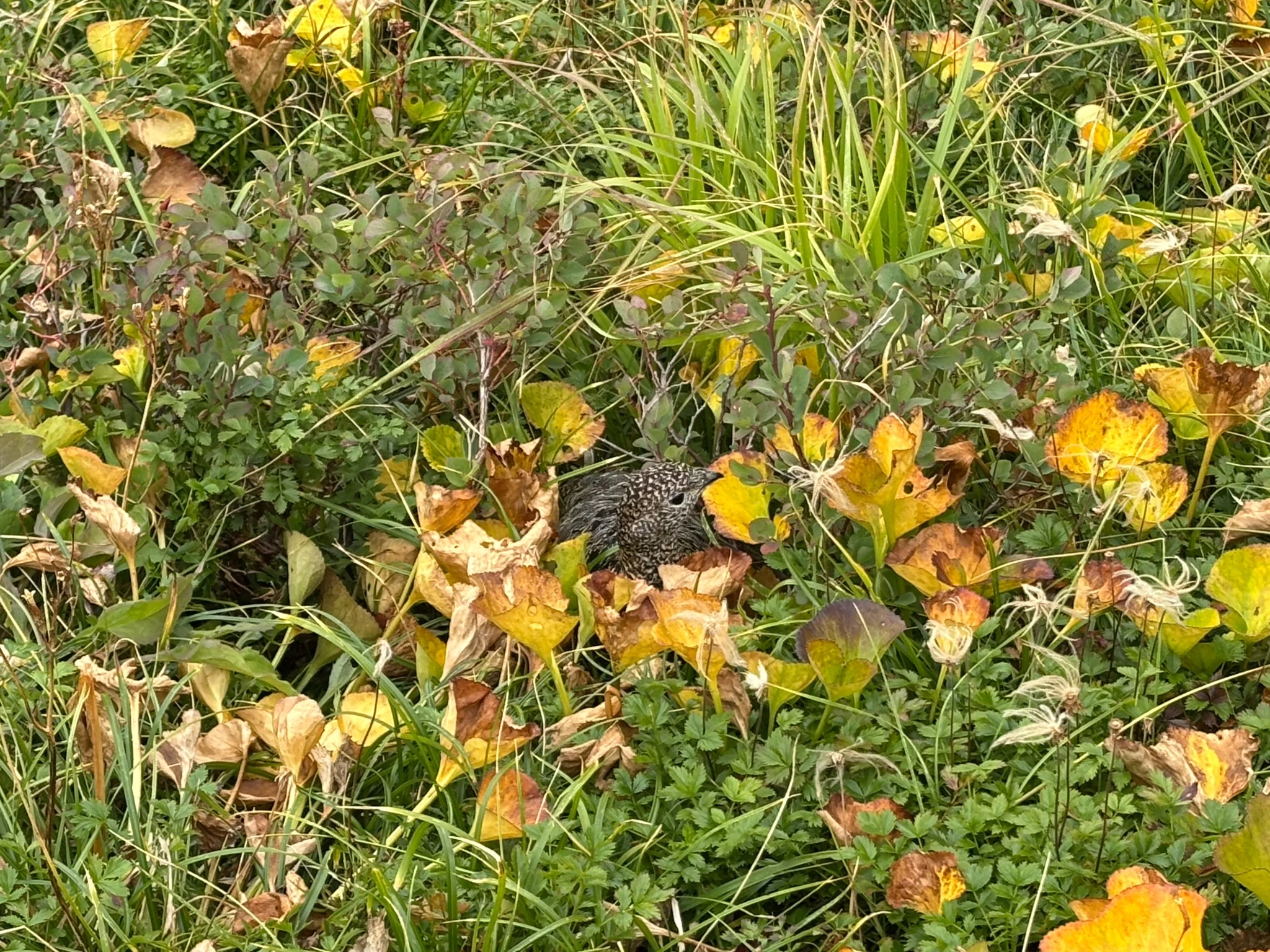
Late afternoon: I saw a female with four chicks while hiking toward Murodoyama.
Morning after 8:30: I found a female and a chick near Mikurigaike on the final day.
Strong-wind day: I spent a long time searching around Murodo and saw none.
The landscape between sightings
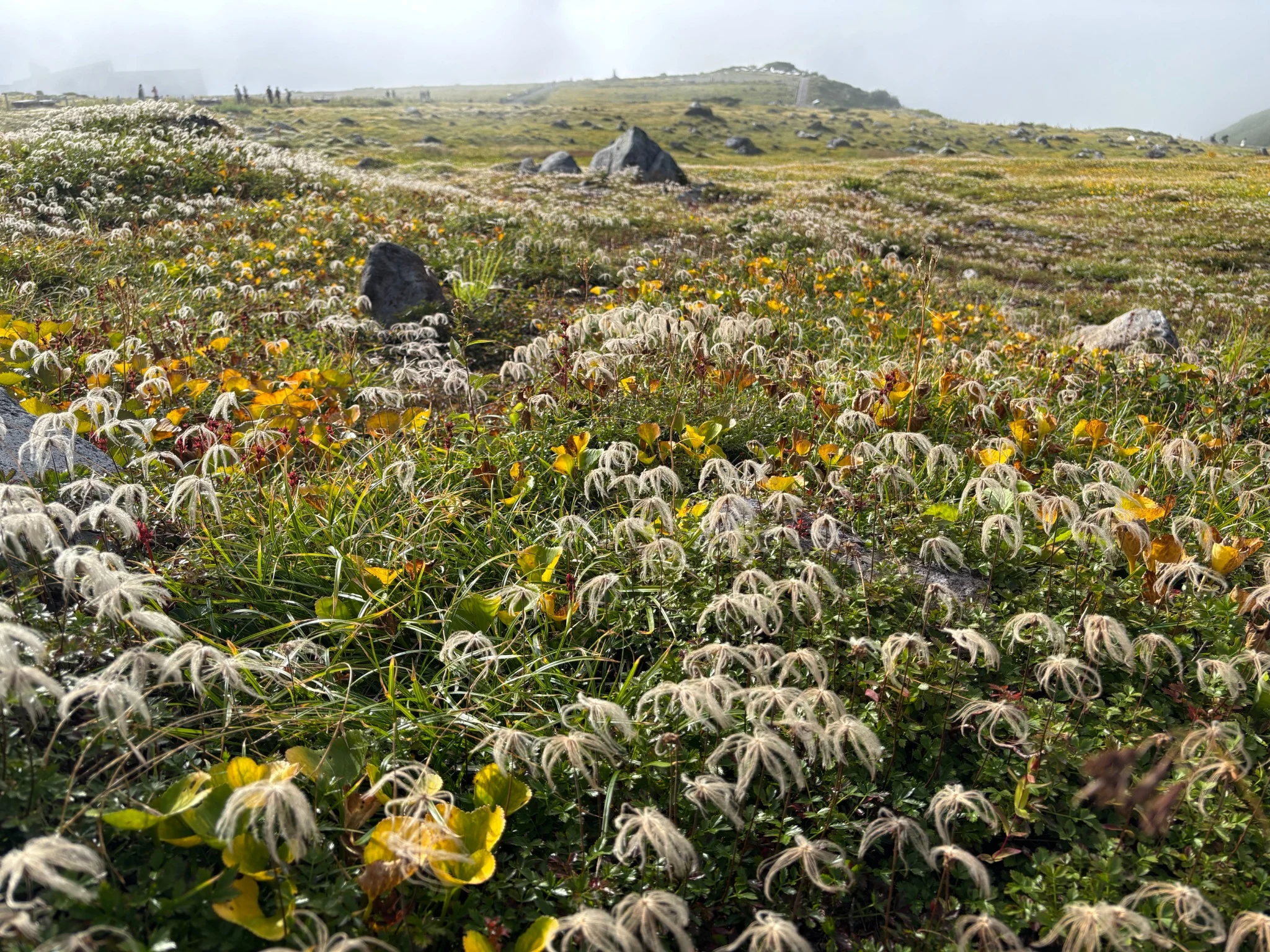
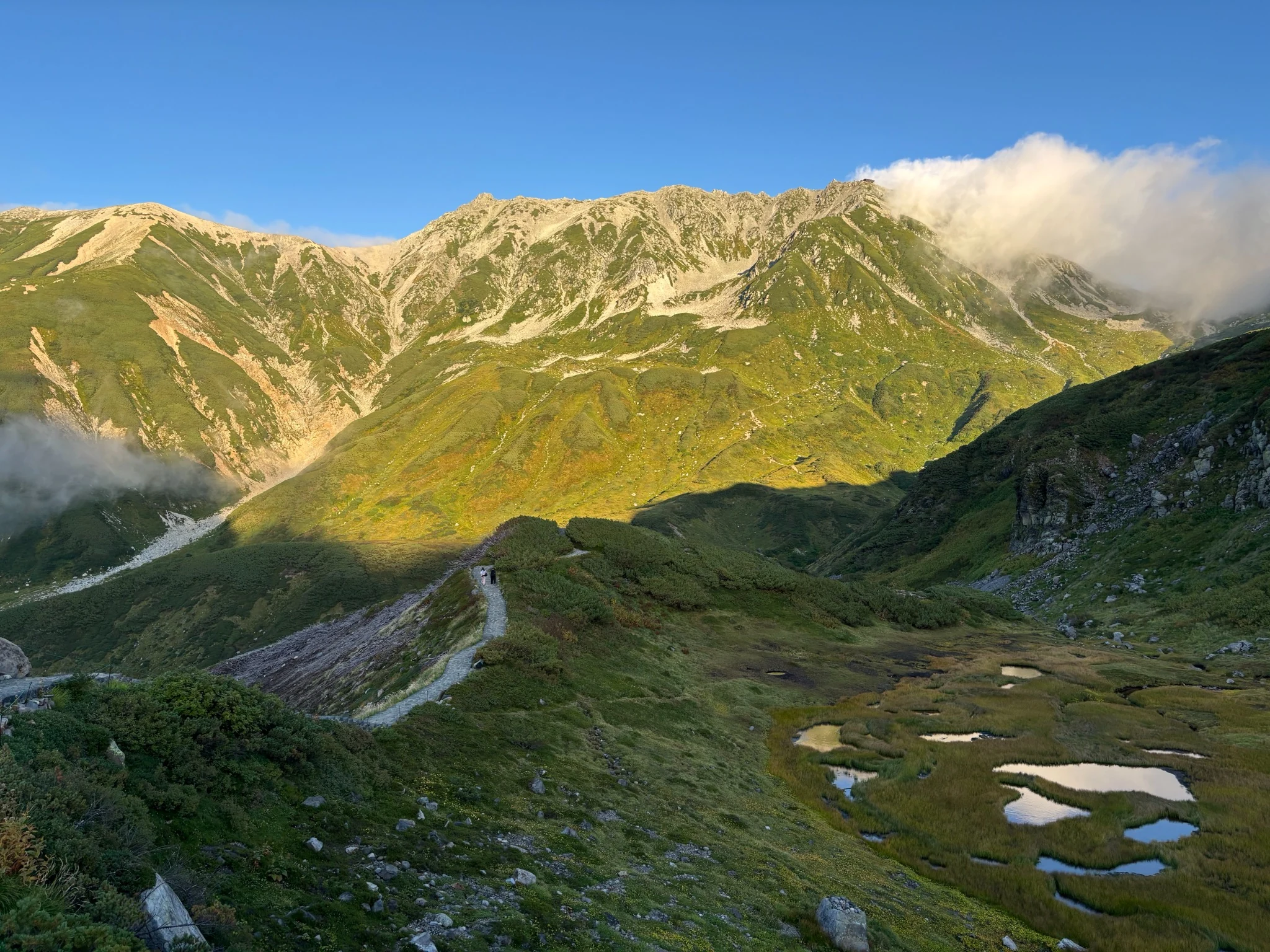
Even when I was not finding wildlife, Tateyama constantly gave me reasons to stop. Clouds opened and closed across the ridgelines, alpine plants caught the light, and the scale of the terrain changed every time the weather shifted.
Tateyama after dark
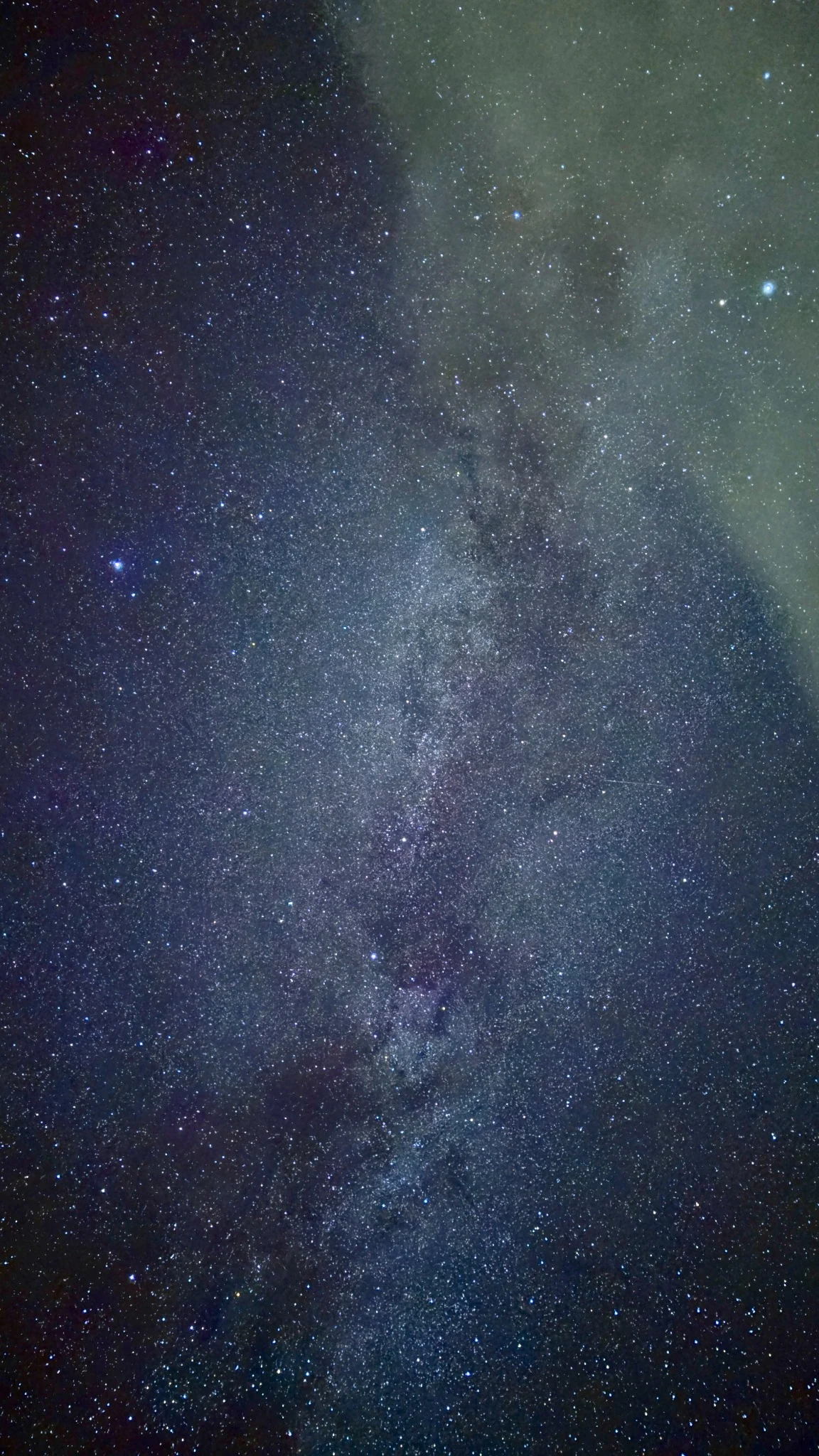
Staying in Murodo also means seeing a version of Tateyama that disappears from a daytime itinerary. On the first night, the sky cleared after dinner. Far from the lights of a city, the Milky Way and a dense field of stars became one of the strongest memories of the trip.
What the trip cost from Tokyo
I actually travelled from Koriyama, but for planning purposes I have converted the journey to a Tokyo start and finish. The figures below are a practical early-September 2026 estimate using ordinary reserved-seat Shinkansen fares, plus the fares I paid on the Alpine Route. Discounts, seat type and seasonal pricing can change the total.
For two people, that is roughly ¥135,400 before lunches, snacks and other small extras. The lodge figure is exact for this trip; the Tokyo rail figures are estimates intended to make the itinerary easier to compare.
Was two nights worth it?
If your only goal is to pass through the main sights of the Alpine Route, two nights may be more than you need. If you want to look for wildlife, see Murodo in the early morning and evening, wait for the weather to change, and have time to do very little when the mountains tell you to slow down, I think two nights make sense.
For me, the trip worked precisely because it had room for uncertainty: a last-minute room opening, a first sighting, a day with no birds at all, a cancelled climb, an unexpectedly clear night, and one final encounter near Mikurigaike before leaving. The plan changed several times, but that was part of what made it memorable.
Résumé en français
Je suis allé à Tateyama avec un objectif très précis : observer le raicho, le lagopède alpin du Japon. Le voyage a changé au dernier moment lorsqu'une place s'est libérée à Raichoso et que la météo s'annonçait favorable. J'ai finalement passé deux nuits à Murodo. Le premier jour, j'ai aperçu une femelle avec quatre petits près du mont Murodo. Le lendemain, le vent fort a interrompu notre randonnée et je n'ai vu aucun lagopède. Enfin, le dernier matin, près de Mikurigaike, j'ai trouvé une femelle et un jeune. Deux nuits sur place m'ont permis de profiter non seulement des oiseaux, mais aussi de l'onsen, des repas, des paysages et d'un ciel étoilé exceptionnel.